

»
»
»
Almond

Almond

4/5
The kernels of almonds are regarded as one of the most widely consumed tree nuts on the planet. They are native to the Middle East and are the edible seeds of the almond tree Prunus dulcis. Numerous nutrients and vitamins are found in them. Almond kernels are used in a wide variety of industries due to their nutritional properties. They are used to make almond milk, almond flour, almond butter, biscuits, and other foods and beverages. They are also used to make almond oil, ice cream, chocolates, biscuits, and other confections in the baking and confectionery industries as well as in the cosmetics and personal care industry. The gluten-free market is seeing an increase in demand for nut flour as an alternative to wheat flour as consumers' preference for healthier bakery products shifts. Almond milk is also seeing an increase in demand as consumers around the world embrace the vegan lifestyle. Almond milk is a low-fat, high-protein alternative to dairy milk that is made without dairy. The market for almond kernels is growing as a result of these factors.

Share:

Products Description:

Scientific Name: Prunus dulcis
Taste: Natural Almond flavor
Packaging: Bulk, jar, Carton
Weight (Kg): 0.4 - 0.6 - 1
Place of Origin: United State - Vietnam
Drying Process: Air Dried
Quality: Grade A
Type: Raw/Roasted kernel
Cultivation Type: -
Brand Name: 18Foods / Private Label
Shelf Life: 18 - 24 Months
Max Moisture (%): 6 - 7
Storage: Cool, Dry Place
Usage: Snack,Desert, Bakery, Cooking

Supply Ability:

2000 Tons per Year

Packaging & delivery :

Packaging details:

carton box , as buyer required

Specification:

Video:

Benefits

Almond contains a Massive Amount of Nutrients such as antioxidants, vitamin E, protein, fiber, healthy fats, and minerals;

  • Almond antioxidants help protect against inflammation, aging, and diseases like cancer.
  • Almonds are among the world’s best sources of vitamin E which lower rates of heart disease, cancer, and Alzheimer’s disease.
  • Magnesium in almonds is a mineral helping blood sugar control.
  • High magnesium intake may offer major improvements for metabolic syndrome and type 2 diabetes.
  • The magnesium in almonds may additionally help lower blood pressure levels and help to prevent diseases like heart attacks, strokes, and kidney failure.
  • Eating one or two handfuls of almonds per day can lead to mild reductions in “bad” LDL cholesterol, potentially reducing the risk of heart disease.
  • Almond skin is rich in polyphenol antioxidants, which prevent the oxidation of cholesterol.
  • Eating almonds and other nuts can increase fullness and help you eat fewer calories.
  • Eating Almond kernels reduces hunger and promotes weight loss.
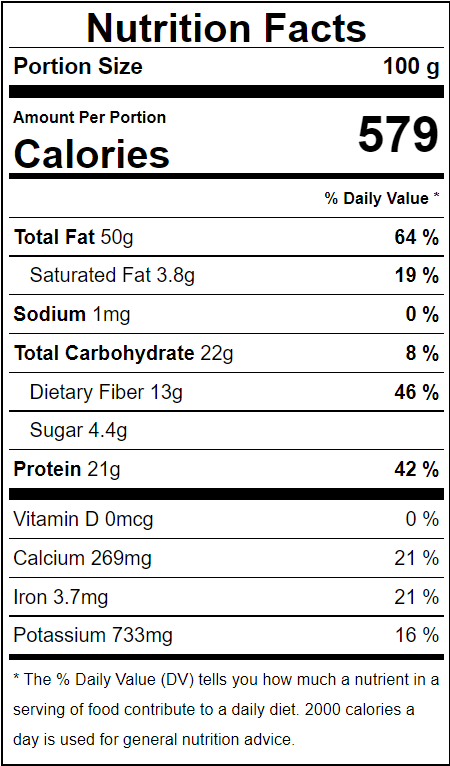
Nutrition Facts

Inquiry: