

In recent years, the popularity of pine nuts has surged, thanks in part to their inclusion in the heart-healthy Mediterranean diet. These small, nutrient-rich seeds are commonly used in a variety of dishes, from Italian pesto to gourmet salads. However, for some individuals, pine nuts can pose a serious health risk. Pine nut allergies, while less common than other tree nut allergies, can trigger severe allergic reactions, including anaphylaxis. Understanding the symptoms, diagnosis, and management of pine nut allergies is crucial for those affected and their families. This article delves into the complexities of pine nut allergies, offering insights into how they manifest, the importance of accurate diagnosis, and effective strategies for managing and living with this potentially life-threatening condition.
What are the symptoms of pine nut allergy?
Pine nut allergies can cause a range of symptoms, from mild to severe. Recognizing these symptoms is essential for timely treatment.
Mild to Moderate Symptoms
- Skin Reactions:
- Hives: Red, itchy welts on the skin.
- Rash: General skin irritation and redness.
- Gastrointestinal Issues:
- Abdominal Pain: Stomach cramps and discomfort.
- Diarrhea: Frequent, loose stools.
- Vomiting: Expulsion of stomach contents.
- Respiratory Problems:
- Runny Nose: Excess mucus leading to a dripping nose.
- Sneezing: Sudden expulsion of air from the nose and mouth.
- Coughing: Persistent cough due to irritation.
Severe Symptoms

- Anaphylaxis: Anaphylaxis is a severe allergic reaction that needs immediate medical attention. Symptoms include:
- Difficulty Breathing: Tightness in the chest and shortness of breath.
- Swelling: Swelling of the tongue, throat, nose, and lips, which can obstruct breathing.
- Rapid Pulse: Fast heartbeat.
- Dizziness or Fainting: Lightheadedness or loss of consciousness due to low blood pressure.
- Shock: Severe drop in blood pressure, leading to potential organ failure.
- Cardiovascular Symptoms:
- Heart Failure: Severe anaphylaxis can lead to heart complications.
- Additional Symptoms:
- Itchy Throat: Persistent itching or tingling in the throat.
- Swelling of the Mouth and Throat: Can impede breathing and swallowing.
What to Do in Case of Anaphylaxis
Anaphylactic reactions to pine nuts are medical emergencies. If you or someone you know shows signs of anaphylaxis:
- Use an Epinephrine Injector: Administer an epinephrine injection immediately if available.
- Call Emergency Services: Seek emergency medical help right away.
- Follow Up: Even if symptoms improve after the epinephrine injection, go to the nearest emergency room for further evaluation.
Recognizing these symptoms can help individuals with pine nut allergies take appropriate steps to avoid allergens and manage their condition effectively.
Diagnosis of Pine Nut Allergies
If you suspect you have a pine nut allergy, consulting with an allergist is essential. The allergist will use a comprehensive approach to diagnose the allergy, which may include the following methods:
Medical History
The allergist will begin by taking a detailed medical history, including:
- Symptom Description: Details about the symptoms, their onset, duration, and severity.
- Exposure History: Information about your exposure to pine nuts, dietary habits, and any incidents where symptoms were triggered.
- Family History: Information about any family history of allergies or asthma.
Skin Prick Test
This common and straightforward test identifies allergic reactions.
| Step | Description |
|---|---|
| Application of Allergen | A small amount of pine nut extract is placed on your skin, usually on the forearm or back. |
| Pricking the Skin | The skin is lightly pricked or scratched to allow the allergen to enter just below the surface. |
| Observation | After 15-20 minutes, the allergist checks for signs of an allergic reaction, such as redness, swelling, or itching at the test site. |
Blood Tests
In some cases, a blood test may be recommended.
| Step | Description |
|---|---|
| Sample Collection | A small blood sample is taken. |
| Laboratory Analysis | The sample is analyzed for the presence of specific antibodies (IgE) that react to pine nuts. |
| Results Interpretation | Higher levels of these antibodies can indicate an allergy to pine nuts. |
Oral Food Challenge
In rare and controlled circumstances, an oral food challenge might be performed.
| Step | Description |
|---|---|
| Supervised Consumption | Under the direct supervision of an allergist, a small amount of pine nuts is consumed. |
| Monitoring | The patient is closely monitored for any allergic reactions. |
| Emergency Preparedness | This test is done in a medical setting where emergency treatment is available if a severe reaction occurs. |
Importance of Professional Diagnosis
It is crucial to seek a professional diagnosis rather than self-diagnosing or attempting any tests at home. An accurate diagnosis from an allergist can:
- Confirm the Allergy: Ensure that your symptoms are indeed due to a pine nut allergy and not another condition.
- Prevent Misdiagnosis: Rule out other potential allergens or underlying health issues.
- Guide Treatment: Provide a clear path for managing your allergy, including avoidance strategies and emergency plans.
By following these diagnostic steps, individuals suspected of having a pine nut allergy can receive a precise diagnosis and appropriate guidance for managing their condition effectively.
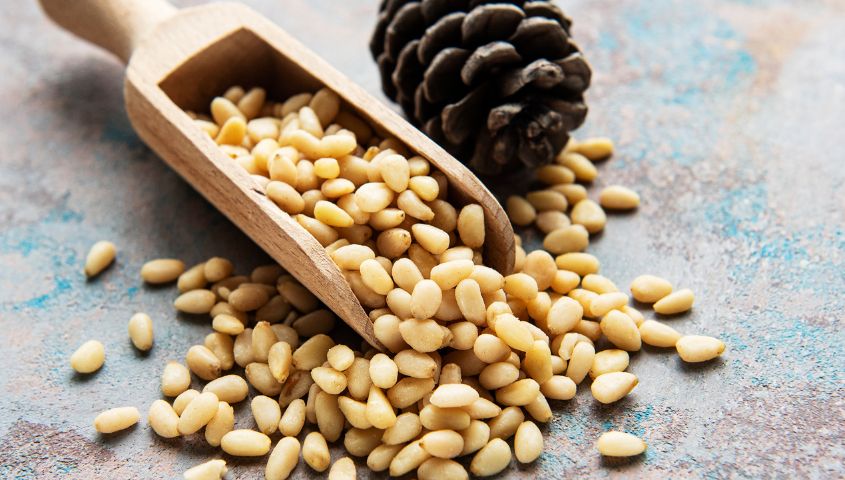
Management and Treatment of Pine Nut Allergies
Managing and treating a pine nut allergy involves a combination of strategies to avoid exposure and handle allergic reactions effectively. Here are the key steps:
Pine Nut Allergy Treatment
- Avoidance
- Reading Food Labels: Carefully check ingredient lists for pine nuts or their derivatives.
- Restaurant Precautions: Inform restaurant staff about your allergy and ask about ingredients in dishes.
- Cross-Contamination Awareness: Be cautious of cross-contamination in kitchens and food processing facilities.
- Epinephrine
- Epinephrine Injector: Carry an epinephrine auto-injector (e.g., EpiPen) if you have been prescribed one.
- First Sign of Reaction: Use the injector immediately if you experience symptoms of a severe allergic reaction.
- Emergency Care: After using epinephrine, seek immediate medical attention, even if symptoms improve.
- Education and Preparedness
- Allergy Action Plan: Develop a plan with your allergist that outlines steps to take during an allergic reaction.
- Training: Ensure you and those around you know how to use an epinephrine injector properly.
- Medical Identification: Wear a medical alert bracelet that identifies your pine nut allergy.
Pine Pollen Allergy Treatment
- Medication
- Antihistamines: Over-the-counter or prescription antihistamines can help control symptoms.
- Nasal Sprays: Corticosteroid nasal sprays reduce inflammation and nasal symptoms.
- Eye Drops: Antihistamine or anti-inflammatory eye drops relieve itchy, red eyes.
- Immunotherapy
- Allergy Shots: Gradually increase exposure to allergens to build tolerance over time.
- Sublingual Tablets: Dissolve under the tongue to help build tolerance to specific allergens.
- Avoidance Strategies
- Monitor Pollen Levels: Check daily pollen counts and stay indoors when levels are high.
- Close Windows: Keep windows closed during high pollen times to prevent pollen from entering your home.
- Outdoor Activities: Plan outdoor activities for the afternoon or after rain when pollen levels are lower.
- Clothing and Bedding: Avoid drying clothes outside, and regularly wash bedding to remove pollen.
- Environmental Control
- Air Purifiers: Use air purifiers with HEPA filters to reduce indoor pollen levels.
- Regular Cleaning: Dust and vacuum frequently to remove pollen that has entered the home.
Importance of Professional Guidance
Consulting with an allergist is crucial for effective management and treatment of pine nut and pine pollen allergies. An allergist can:
- Provide Personalized Advice: Tailor management plans based on your specific allergy severity and lifestyle.
- Offer Immunotherapy: Administer and monitor allergy shots or sublingual tablets.
- Update Emergency Plans: Ensure you have the most current and effective strategies for managing allergic reactions.
By following these management and treatment strategies, individuals with pine nut and pine pollen allergies can lead safer, healthier lives.
Shahkar Company: A Commitment to Quality Dried Fruits

At the forefront of the dried fruit industry is Shahkar, a German-based company dedicated to bringing the finest dried fruits from the Middle East to the European market. Partnering with only the most reputable farmers in the region, Shahkar ensures that every dried fruit they export is of exceptional quality. Their meticulous selection process ensures that only the ripest, juiciest fruits are used, resulting in dried fruits that burst with flavor and nutritional goodness.
Shahkar’s presence extends beyond Germany, with a strategic office located in the United Arab Emirates. This strategic location allows the company to maintain close ties with its Middle Eastern partners and ensure seamless supply of the finest dried fruits to European consumers.
Discover the Difference of Shahkar
Experience the difference that Shahkar’s commitment to quality and expertise makes. Their dried fruits are a testament to the power of nature’s bounty, carefully preserved to enhance their flavor and nutritional value. With Shahkar, you can indulge in the wholesome goodness of dried fruits while knowing that you’re supporting sustainable farming practices and contributing to the preservation of traditional Middle Eastern agriculture.
call us!
Contact us to explore the boundless prospects of co-branding across a variety of premium dried fruits with us.
we cant wait to reach your call!
we also got help from these websites and sources: