

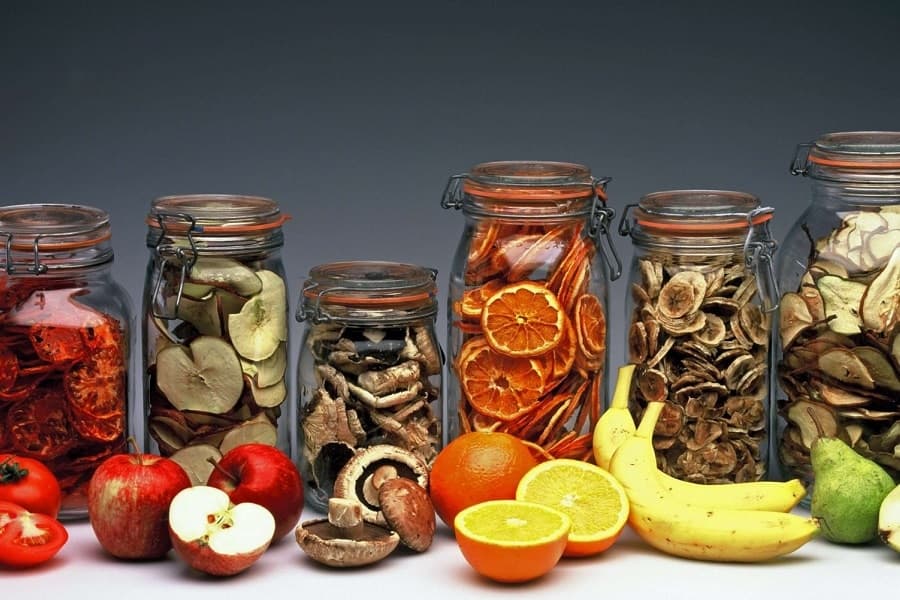
The best choices for packaging of dried fruit include the following:
- Home canning jars
- Plastic freezer bags
- Plastic freezer containers with lids
- Vacuum packaging
How to Store Dried Fruit at Home?
Recommended storage duration for dried fruits is from 4 months to a year.
Updated February 8, 2024
Storing dried fruits properly is essential for preserving their flavor, nutrients, and shelf life. Among the best choices for packaging dried fruits, dried fruit jars stand out for their effectiveness and ease of use. These jars, often made of glass or high-quality plastic, are airtight and can keep your dried fruits fresh for longer periods. Other packaging options include plastic freezer bags, plastic freezer containers with lids, and vacuum packaging.
When considering the storage duration for dried fruits, it’s generally recommended to store them from 4 months up to a year, depending on the storage conditions. Dried fruits, like other perishable foods, are susceptible to quality degradation due to factors like contamination and heat exposure. Therefore, maintaining appropriate storage temperatures is crucial.
The shelf life of dried fruits is significantly influenced by the temperature of the storage area. A cooler environment extends the storage duration. For instance, dried fruits can be stored for up to a year at a temperature of 60°F when properly packed in dried fruit jars or other suitable containers. If the storage temperature is around 80°F, the maximum recommended storage period is six months. It’s interesting to note that dried fruits generally have twice the shelf life of dried vegetables under similar conditions.
Regularly checking your stored dried fruits is important to ensure they remain dry and free from spoilage. If you notice any signs of moisture or deterioration, it’s best to consume the fruits immediately or dispose of them to prevent the risk of foodborne illnesses.
with all that said , using dried fruit jars for storage is an effective way to extend the shelf life of these nutritious snacks. By following these guidelines, you can enjoy your dried fruits at their best quality for as long as possible. Remember, proper storage is key to maintaining the taste, texture, and nutritional value of dried fruits.
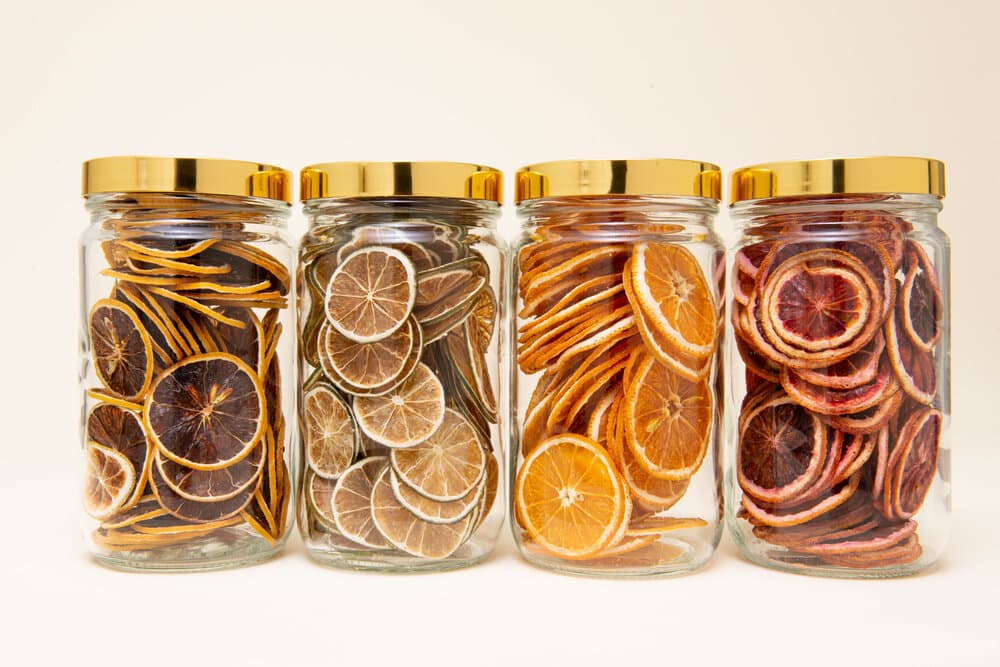
Dried Fruit Storage Methods
| Storage Method | Temperature | Duration |
|---|---|---|
| Dried Fruit Jars | 60°F | Up to 1 year |
| Plastic Freezer Bags | 60°F | 6 to 12 months |
| Plastic Freezer Containers | 80°F | Up to 6 months |
| Vacuum Packaging | 60°F | Up to 1 year |
Frequently Asked Questions (FAQs)
- What is the best way to store dried fruits?
The best way is using dried fruit jars or vacuum packaging, stored at a temperature of 60°F. - How long can I store dried fruits?
Dried fruits can be stored from 4 months to 1 year, depending on the storage method and temperature. - Do dried fruits have a longer shelf life than dried vegetables?
Yes, dried fruits typically have twice the shelf life of dried vegetables under similar storage conditions. - How does temperature affect the storage of dried fruits?
Lower temperatures extend the shelf life of dried fruits. For example, fruits stored at 60°F can last up to a year.
Important tips for storing dried fruits:
- Best choice to store dried fruits are glass jars.
- Put the product in a clean container.
- Keep the container at room temperature or inside the freezer for up to 1 year.
- Store opened dried fruit containers inside your freezer.
- If you are using the freezer bags, make sure that moisture release from the bag prior to sealing.
- The best packaging for dried fruits is the vacuum-sealing type since it effectively removes air.
- You should place Sulfured fruits in a plastic bag first before placing them inside a metal jar.
- Avoid storing in large quantities in containers, because opening and closing the containers will result in contamination.
- Label the jars before putting them in storage because this will prevent spoilage since you can immediately use older items before they lose their freshness.
- Keep the containers away from the light.