
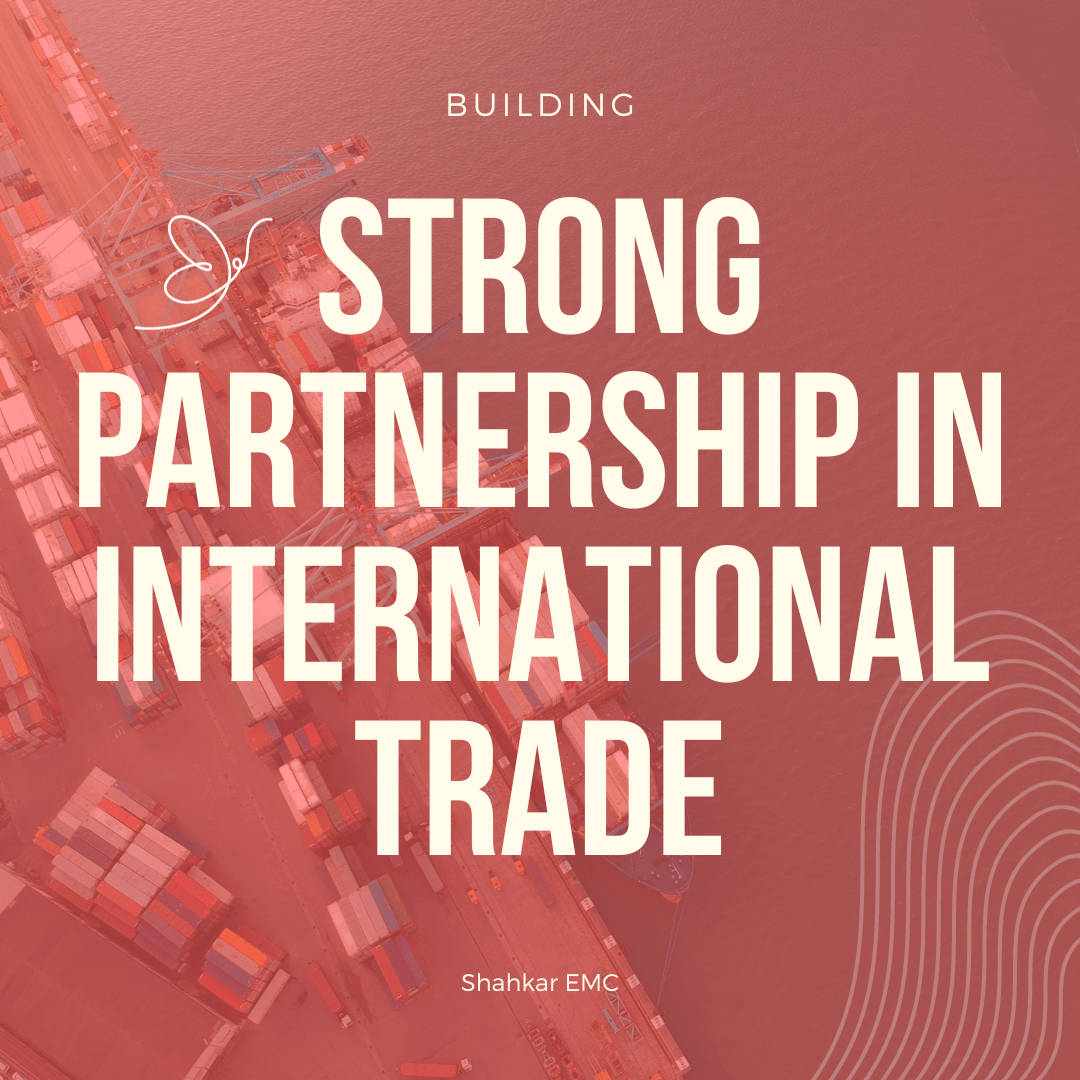
Building Strong Partnerships in International Trade
Introduction
In the dynamic world of international trade, building strong partnerships is crucial for sustained success. As businesses expand their reach across borders, the need for collaborative and mutually beneficial relationships becomes more apparent. This article explores the key elements of fostering robust partnerships in the realm of international trade.
The Foundation of Successful Partnerships
Establishing strong partnerships begins with a solid foundation. Shared values and goals provide a common ground for collaboration. Clear communication is essential to avoid misunderstandings, and mutual trust forms the cornerstone of reliable partnerships.
Choosing the Right Partners
Careful selection of partners is paramount. Thorough research on potential partners, evaluating compatibility, and assessing reputation and credibility are crucial steps in this process. Choosing partners aligned with your values and objectives increases the likelihood of a successful collaboration.
Establishing Strong Communication Channels
Effective communication is the lifeblood of any partnership. Regular meetings, updates, and utilizing technology enhance communication channels. In the realm of international trade, cross-cultural communication skills play a vital role in fostering understanding.
Collaborative Decision-Making
Inclusive decision-making processes ensure that all stakeholders have a voice. Handling disagreements professionally and establishing conflict resolution protocols contribute to a healthy partnership dynamic.
Nurturing Long-Term Relationships
Building lasting partnerships requires ongoing support. Celebrating successes together and adapting to changing circumstances demonstrate commitment. This nurturing approach strengthens the bond between partners.
Measuring and Improving Partnership Performance
Key Performance Indicators (KPIs) provide measurable benchmarks for success. Feedback and continuous improvement are integral to refining the partnership. Flexibility and adaptability enable partners to navigate challenges effectively.
Overcoming Challenges in International Partnerships
Language and cultural barriers, legal and regulatory differences, and economic and political instabilities are common challenges in international partnerships. Successful navigation of these challenges requires proactive strategies and open communication.
Case Studies
Examining successful partnership examples and learning from failed partnerships provides valuable insights. Real-world scenarios offer lessons that can inform and improve future collaborations.
Future Trends in International Trade Partnerships
As technology advances, sustainable and ethical partnerships are gaining prominence. The evolving global economic landscape presents new opportunities and challenges. Staying abreast of these trends is essential for future-proofing international trade partnerships.
Conclusion
In conclusion, building strong partnerships in international trade is a multifaceted endeavor. The foundation of shared values, effective communication, and trust sets the stage for success. Selecting the right partners, nurturing relationships, and adapting to changes contribute to a thriving collaboration. As businesses navigate the complexities of the global market, the importance of strong partnerships cannot be overstated.
FAQs
- How can I find the right international trade partner for my business? Research potential partners, evaluate compatibility, and consider shared values and goals.
- What are the key challenges in international partnerships? Common challenges include language and cultural barriers, legal differences, and economic instabilities.
- How can I measure the success of an international trade partnership? Use Key Performance Indicators (KPIs) and seek feedback for continuous improvement.
- What role does technology play in international trade partnerships? Technology enhances communication channels and facilitates collaboration across borders.
- How do I overcome disagreements with my international trade partner? Establish conflict resolution protocols and approach disagreements professionally.