

Dried mango is a popular snack food enjoyed around the world. It is made from fresh mangoes that have been peeled, sliced, and dried. Dried mango is a great source of vitamins and minerals such as vitamin A, vitamin C, potassium, and dietary fiber. It also contains natural sugars that can help satisfy sweet cravings. Dried mango is a convenient snack that can be enjoyed on the go or as a topping for oatmeal, yogurt, and other dishes. Another great thing about dried mango is that it has a longer shelf-life than fresh mango, so it can be stored for longer periods of time.
dried mango facts

1. Dried mango is a nutrient-dense snack, providing essential vitamins and minerals such as vitamin A, vitamin C, vitamin E, potassium, calcium, iron, and magnesium. Dried mango is a great source of energy, as it is high in natural sugars and carbohydrates. It is a satisfying snack that can be enjoyed alone or as part of a trail mix.
2. Dried mango can be used to add sweetness and texture to a variety of recipes such as smoothies, salads, granola, yogurt, and trail mix. It can also be used to top oatmeal, pancakes, and waffles or to make chutneys and salsas. Dried mango is a great addition to trail mixes, energy bars, and homemade granola bars. Dried mango is high in dietary fiber, which helps to keep your digestive system healthy and can help control blood sugar levels. It is also a good source of vitamin A, which helps support healthy vision, and vitamin C, which helps keep the immune system strong. Additionally, dried mango contains potassium, which is important for regulating fluid balance in the body.
3. Dried mango is naturally sweet and low in calories, making it a healthy alternative to sugary snacks. It is high in fiber, vitamins A and C, and other essential minerals. Dried mango can be enjoyed as a snack, added to salads or baked goods, or used as a topping for yogurt, cereal, or smoothies.
4. Dried mango production is a booming industry in many parts of the world, particularly in Southeast Asia and South America. Dried mangoes are produced by slicing fresh mangoes, coating them in sugar or without it, and then drying them in the sun or in a dehydrator. The resulting product is a chewy, sweet snack that is high in fiber, vitamins, and minerals. Dried mangoes are popular in many recipes, from smoothies to trail mixes to cakes and other desserts. They can also be eaten as a snack on their own or added to a variety of dishes.
The dried mango market is segmented into organic, conventional, and others. The organic segment dominated the market and is projected to maintain its lead throughout the forecast period. This is attributed to the increasing preference for organic products due to their health benefits. The conventional segment is expected to witness the highest growth owing to its wider availability and lower prices.
In terms of distribution channels, the market is divided into supermarkets/hypermarkets, convenience stores, online stores, and others. The supermarkets/hypermarkets segment is expected to dominate the market owing to the availability of a wide variety of products. The convenience stores segment is projected to witness the highest growth due to the increasing number of convenience stores in countries such as India and China.
Regionally, the dried mango market is segmented into North America, Europe, Asia Pacific, Latin America, and Middle East & Africa. Asia Pacific is expected to dominate the market due to the increasing demand for dried mango from countries such as India, China, and Thailand. Additionally, the region is also the largest producer of dried mango. Europe is projected to witness the highest growth owing to the increasing demand for vegan snacks.
Some of the key players in the dried mango market are Agrosyn Impex, Biofruisec, and Forest Feast.
5. The most popular types of dried mango in the US are slices, cubes, and powder. Dried mango slices are the most common type, as they are easy to snack on and have a sweet, tropical flavor. Cubes are also a popular form, as they are bite-sized and ideal for adding to salads and other dishes. The powder is a great way to add a burst of flavor and sweetness to smoothies, oatmeal, and more.
Health Benefits of Mango
Updated February 11, 2024
Mango, often referred to as the “king of fruits,” is not only delicious but also packed with an array of health benefits. This tropical fruit is a nutritional powerhouse, offering a unique combination of vitamins, minerals, and antioxidants that contribute significantly to overall health and wellbeing. In this updated section, we’ll explore the diverse health benefits of mango, spanning from its nutritional content to its impact on various aspects of health.
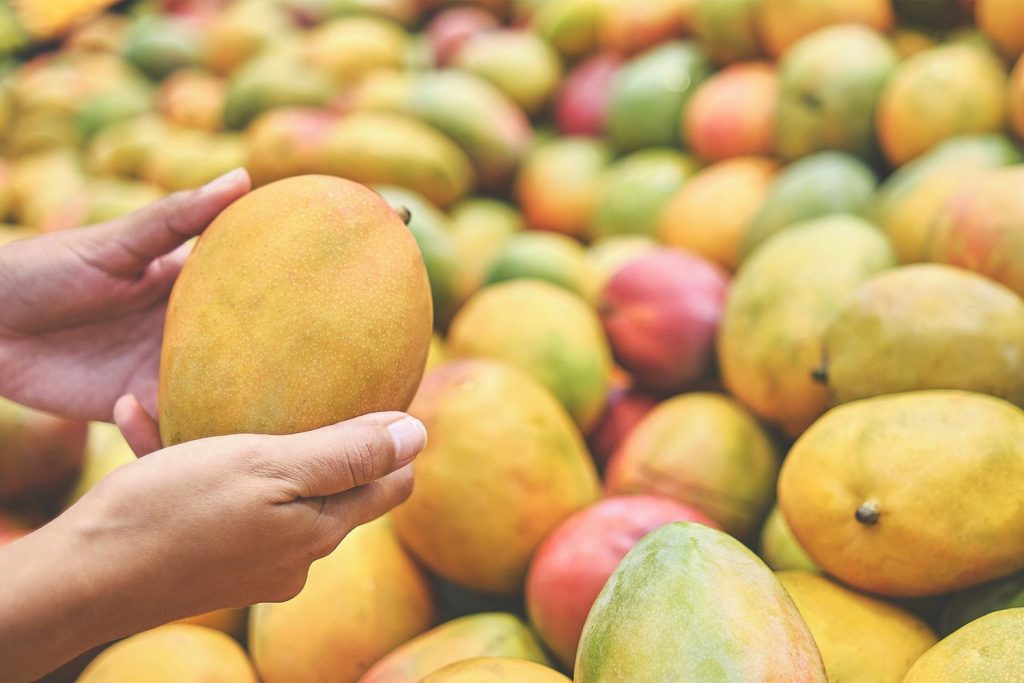
Firstly, mangoes are exceptionally rich in vitamin C, a powerful antioxidant that plays a crucial role in immune function, skin health, and wound healing. A single cup of mango provides nearly 70% of the recommended daily intake of vitamin C. This nutrient is essential for the growth and repair of all body tissues, aiding in the formation of collagen, absorption of iron, and maintenance of cartilage, bones, and teeth. Additionally, mangoes are a good source of vitamins A and E, which are vital for maintaining healthy vision and skin, and protecting against age-related damage.
Mangoes are also known for their high fiber content, which is beneficial for digestive health. The fiber in mangoes aids in promoting regular bowel movements and preventing constipation. It also plays a role in regulating blood sugar levels, making mango a wise choice for people with diabetes or those at risk of developing the disease. Furthermore, the fiber content in mangoes contributes to a feeling of fullness, which can help in weight management by reducing overall calorie intake.
Another significant aspect of mangoes is their rich profile of polyphenols, plant compounds that function as antioxidants. Among these, mangiferin stands out as a particularly powerful antioxidant. Research has suggested that mangiferin may have heart-protective, anti-cancer, anti-diabetic, and anti-inflammatory properties. These antioxidants help protect the body from oxidative stress, which is linked to chronic diseases such as heart disease and cancer.
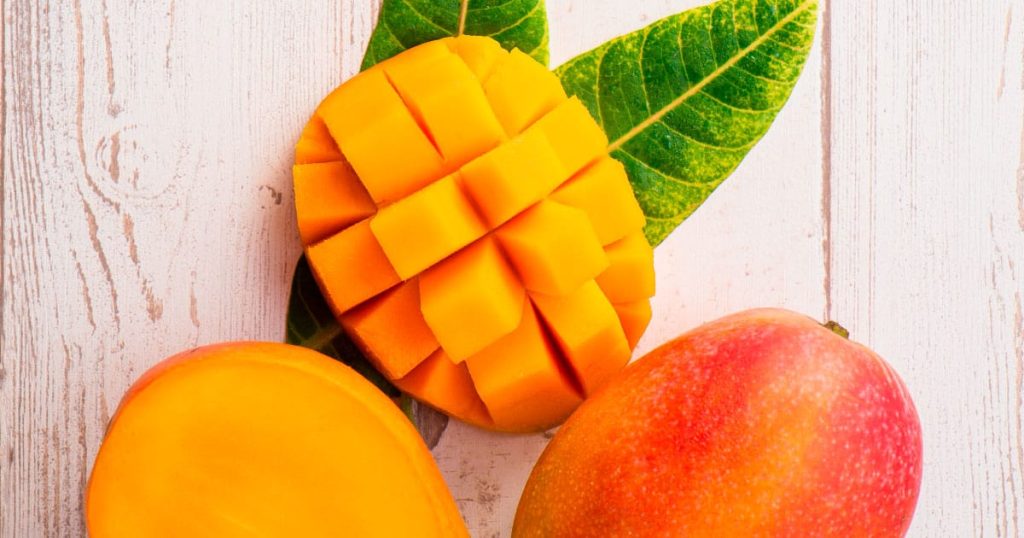
Mangoes also contain an abundance of potassium and magnesium, two minerals that are essential for maintaining healthy heart function and regulating blood pressure. The potassium in mangoes helps balance out the negative effects of salt in the diet and eases tension in the blood vessel walls, which is crucial for heart health. Magnesium contributes to hundreds of enzymatic reactions in the body and is important for heart rhythm, muscle function, and nerve function.
Additionally, mangoes have a low glycemic index, meaning they release their sugars slowly and don’t cause a rapid spike in blood sugar levels. This makes them a suitable fruit choice for individuals who need to monitor their blood sugar levels, such as those with diabetes. Moreover, the presence of various vitamins and minerals in mangoes helps boost the body’s immune system, protecting against various infections and diseases.
In recent years, studies have also explored the potential cognitive benefits of mango consumption. Some research suggests that the bioactive compounds in mangoes could support brain health and enhance memory and concentration. This is attributed to their ability to reduce oxidative stress and inflammation in the brain, which are factors that can contribute to cognitive decline.
mangoes are not only a delightful addition to the diet but also offer an extensive range of health benefits. From boosting immune function and improving digestive health to protecting against chronic diseases and supporting brain health, mangoes are truly a superfruit worth incorporating into your regular diet.

Frequently Asked Questions about Mangoes and Their Health Benefits
Are mangoes good for weight loss?
*Yes, mangoes can be a part of a weight loss diet. They are low in calories and high in fiber, which helps you feel full longer, thus potentially reducing overall calorie intake. However, moderation is key as mangoes contain natural sugars.*
Can people with diabetes eat mangoes?
*Mangoes have a low glycemic index, which means they don’t cause a rapid spike in blood sugar levels. People with diabetes can include mangoes in their diet in moderation, but it’s important to monitor their overall carbohydrate intake.*
Do mangoes improve digestion?
*Absolutely. Mangoes are rich in fiber and water, which help to promote regular bowel movements and prevent constipation. Additionally, they contain digestive enzymes like amylases that aid in breaking down and digesting food efficiently.*
Are mangoes beneficial for the skin?
*Yes, mangoes are great for the skin. They are loaded with vitamins A and C, both of which are crucial for healthy skin and skin repair. These vitamins also play a role in producing collagen, which gives skin its elasticity.*
Can mangoes boost the immune system?
*Definitely. Mangoes are rich in vitamin C, a powerful antioxidant that strengthens the immune system by fighting off infection-causing pathogens. They also contain folate, vitamin K, and other nutrients that contribute to overall immune function.*
Is it true that mangoes can improve eye health?
*Yes, mangoes can contribute to better eye health. They are high in beta-carotene, which the body converts into vitamin A, essential for preventing night blindness and dry eyes. They also contain lutein and zeaxanthin, which protect the eyes from harmful light.*
How do mangoes affect heart health?
*Mangoes are good for the heart due to their high potassium and magnesium content, which help regulate blood pressure and maintain healthy heart function. The fiber, vitamins, and minerals in mangoes also support cardiovascular health.*
Can eating mangoes improve brain health?
*Emerging research suggests that the bioactive compounds in mangoes may support brain health and cognitive functioning. These compounds are thought to reduce oxidative stress and inflammation in the brain.*
The kings of the fruits
Mango, often revered as the “king of fruits,” holds this title due to its exceptional qualities that extend well beyond its delicious taste. This title encapsulates the fruit’s rich nutritional profile, its deep cultural significance, and its unique, delectable flavor.
Nutritionally, mangoes are a powerhouse, packed with an abundance of vitamins, minerals, and antioxidants. They are particularly rich in Vitamin A and Vitamin C, which are essential for maintaining good health, including immune function, eye health, and skin vitality. The presence of antioxidants such as mangiferin, quercetin, and fisetin adds to their value, offering protective benefits against oxidative stress and inflammation. This impressive nutritional content supports various aspects of health, from aiding digestion to promoting heart health, making mangoes not just a treat for the taste buds but also a boon for overall wellbeing.
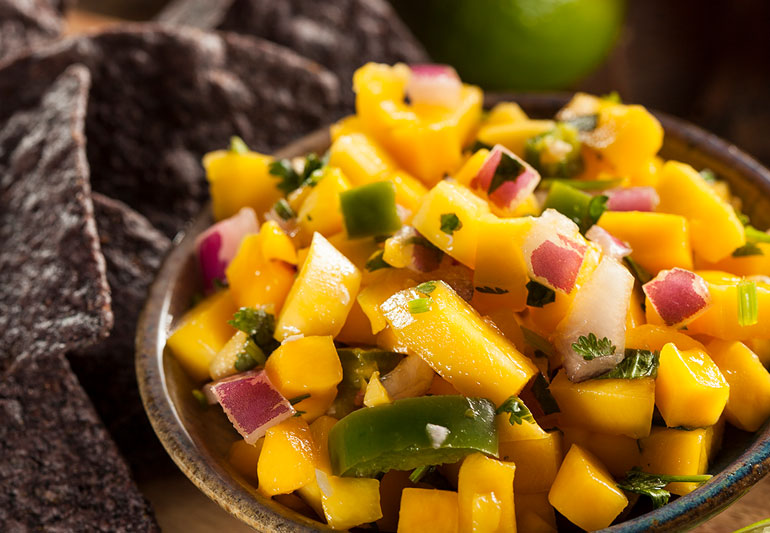
The cultural significance of mangoes further elevates their status to that of a regal fruit. Originating in South Asia, mangoes hold a special place in the cultural and culinary traditions of many countries, especially in India where they are deeply interwoven into the fabric of life. In these regions, mangoes are not just a seasonal delight but also a symbol of prosperity, love, and fertility. They feature prominently in festivals, rituals, and even in historical and religious texts, underscoring their importance beyond mere nutrition.
Moreover, the unique and irresistible flavor profile of mangoes contributes to their esteemed title. Each variety of mango – and there are hundreds – offers a different symphony of sweet, tangy, and sometimes spicy flavors with a luscious, creamy texture that melts in the mouth. This versatility extends to its culinary uses, where mangoes are celebrated in a myriad of forms, from raw and ripe fruits to being integral components of exotic dishes, desserts, smoothies, and chutneys. This global culinary adaptability and the universal appeal of its flavor make mangoes a fruit that is cherished and enjoyed in various forms across the world.
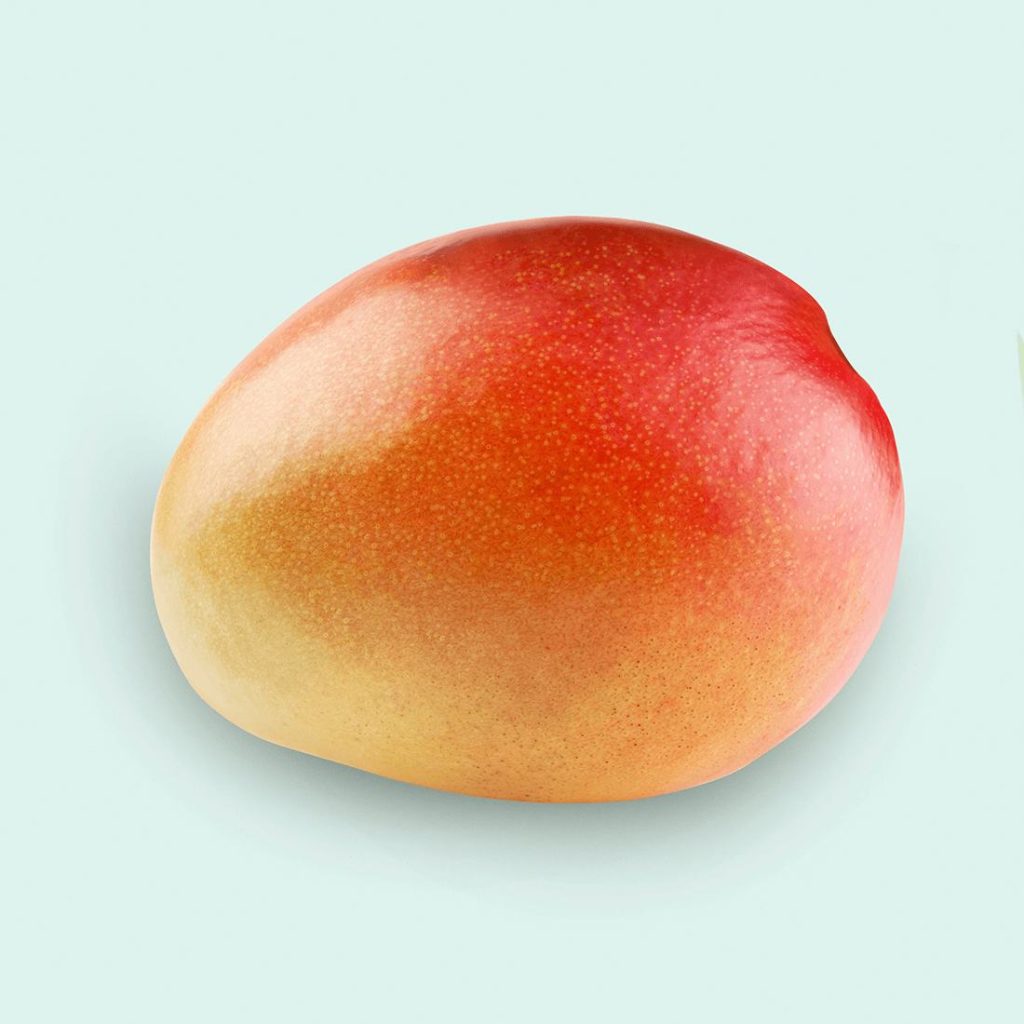
In essence, the title “king of fruits” for mangoes is a tribute to their unparalleled nutritional benefits, deep-rooted cultural significance, and unique, delightful taste, making them a fruit that is cherished by many across the globe.
As a result of the facts above, the demand for dried fruits (as a healthy snack) is unbelievably increasing worldwide. Therefore, if you are looking for the Middle East’s highest quality dried mango, go to Shahkar’s dried mango page and fill out the inquiry form, right now.